
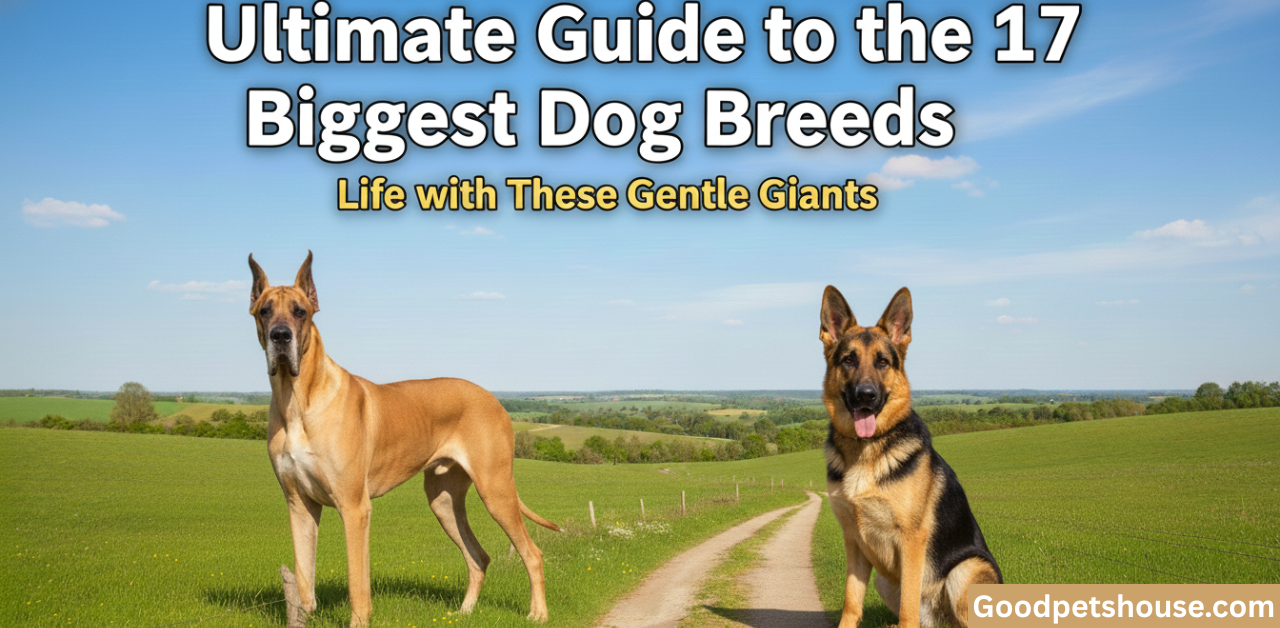
If you have ever seen a dog the size of a small pony walking down the street, you’ve likely felt the awe that large dog breeds inspire. Often called “Gentle Giants,” these massive companions offer a level of loyalty and protection that is hard to match. But about dogs of this size, there is more than meets the eye. From their unique physical features to their specialized health needs, owning a giant is a lifestyle choice that requires preparation and a big heart.
Who is a Dog? Understanding Our Giant Companions
To understand these massive animals,we first must ask:who is a dog?Beyond being a pet,a dog is a sentient companion evolved from ancient wolves to perform specific roles.Today, we see different kinds of dogs,ranging from tiny lapdogs to working titans.Giant breeds were historically bred for high stakes jobs like guarding estates,hunting large game,or rescuing travelers in the snowy Alps.
What Makes a Giant?A Deep Dive into Their Physical Features
The physical features of dog breeds in the giant category aren’t just for show; they are evolutionary adaptations for strength, protection, and survival in harsh environments.
1. Heavy Bone Structure & Skeletal Density
Unlike smaller breeds that are built for nimble movements, giant dogs have a thickened skeletal framework.Their limb bones are wider in diameter to support a massive center of gravity.
- The Growth Factor:Because their bones are so large,these dogs grow slowly.While a small dog is an adult at 10 months,a giant breed’s growth plates may not close until they are 24 months old.
- Joint Mechanics: Their joints (hips and elbows) carry immense pressure, which is why they are genetically predisposed to dysplasia if not managed with the right nutrition.
2. The “Deep Chest” (Barrel Chest) Phenomenon
Many large breeds, such as the Great Dane, Cane Corso, and Irish Wolfhound, possess a deep, narrow thoracic cavity.
- Lung Capacity: This deep chest allows for massive lung expansion, giving them the stamina to guard large estates or trek through mountains.
- The Health Risk (GDV): The physical space in a deep chest allows the stomach to potentially rotate.This is known as Bloat Gastric Dilatation Volvulus)a life threatening emergency. Understanding this physical feature is the most important part of about dogs in the giant category.
3. Specialized Musculature & Weight Distribution
Giant dogs are divided into two physical types
- The Powerhouses (Mastiff types): These dogs have thick necks and broad shoulders designed for pinning down intruders or pulling heavy loads.
- The Sighthounds (Wolfhound types): These have a “tucked” waist and long, spring-like muscles designed for incredible bursts of speed despite their size.
4. Adaptive Coats and Skin
Their skin and fur are their first line of defense against the elements:
- Waterproof Double Coats: Breeds like the Newfoundland have an oily, dense undercoat that prevents icy water from reaching their skin.
- Protective Loose Skin: Many Mastiffs have loose skin around the neck (dewlaps). Historically, this protected their vital veins from predator bites during a fight.
- Insulation: The Tibetan Mastiff has a mane-like coat that protects against Himalayan temperatures, making them look even larger than they are.
5. Gigantism and Facial Features
- Jowls (Flews):Many large breeds have loose hanging lips.Physically,this helps with scent dispersal in Bloodhounds or allows for easier breathing while holding objects in their mouths.
- Skull Shape:Giant breeds often have a”stop”the indentation between the forehead and the muzzle that is very pronounced, providing a larger surface area for powerful jaw muscles.
The Vital Care Guide: Preparing for dog a Giant Lifestyle

Owning a giant dog is a rewarding experience, but it requires more than just a standard pet-owner relationship. Before you search for dog breeds photos and names, you must evaluate if your daily life can accommodate their “extra-large” needs across these four critical pillars:
1. Space: Assessing Your Home’s “Flow”
You don’t necessarily need a mansion to own a Great Dane or a Mastiff, but you do need an environment that respects their physical scale.
- The Radius of Motion: Giant dogs have long tails and wide bodies. A single happy wag from an Irish Wolfhound can unintentionally clear a coffee table of glass decor or knock over a small child.
- Accessibility: Consider your flooring. Hardwood and tile can be slippery for heavy dogs with joint issues. Moreover, as these dogs age, they may struggle with stairs, so having a ground-floor living setup is ideal.
- The Yard: While many giants are “couch potatoes” indoors, they require a securely fenced yard to stretch their massive limbs and maintain muscle tone.
2. The “Giant” Budget: Understanding the Financial Commitment
When it comes to large dog breeds, everything is scaled up including the price tag.
- Nutrition: A 150-pound dog can consume 6 to 10 cups of high-quality dry food per day. On average, owners spend $150–$300 per month just on diet.
- Medical Scaling:Veterinary medicine is often dosed by weight,This means heartworm prevention, flea treatments, and anesthesia for surgeries are significantly more expensive than for a standard 50-pound dog.
- Heavy-Duty Gear: Standard pet store beds and toys won’t last. You will need orthopedic memory foam beds (often costing $200+) to protect their heavy joints from pressure sores.
3. The Longevity Challenge: Managing the Unique Health Risks of Massive Dogs

Because of their rapid growth and massive size, giant breeds have unique biological vulnerabilities.
- Joint Care: Conditions like Hip and Elbow Dysplasia are common. Owners must be proactive with joint supplements (Glucosamine/Chondroitin) from an early age.
- The Bloat Emergency (GDV): As mentioned in the physical features, their deep chests make them prone to stomach twisting. Many owners opt for a “Prophylactic Gastropexy” (tacking the stomach) during the spay/neuter process to prevent this fatal condition.
- The Himalayas, and they still carry that “no-nonsense”attitude today.
- Doberman Pinscher: While leaner than a Mastiff,the Doberman is the”Special Ops”of the dog world.They are lightning-fast,highly trainable,and incredibly sensitive to their owner’s emotions. They are often called “Velcro dogs” because they never want to leave your side.
- Dogo Argentino:A white-coated muscular athlete from Argentina.They were bred for big-game hunting (like pumas and boars).They require an experienced owner who understands how to manage a high-prey-drive animal with massive physical strength.
Unique & Athletic Titans
These breeds offer unique physical traiThe Heart & Lifespan:Giant breeds age faster.While a Chihuahua might live 18 years,a Saint Bernard is considered a senior by age 6.Understanding this “short but sweet” Best for Cold Weather: The Saint Bernard or Tibetan Mastiff.
4. Training: Control Through Communication, Not Strength
Training is not optional for a dog that outweighs its owner. A 150-pound dog that pulls on a leash or jumps to greet guests is a serious liability.
- Early Socialization: Between 8 and 16 weeks,giant puppies must be exposed to different sounds, people,and animals.Fear-based aggression in a small dog is a nuisance in a cane corso it is a crisis.
- Leash Manners: You cannot physically overpower a giant dog. Training must focus on “Loose Leash Walking” and “Place” commands so the dog learns to be calm and manageable in public spaces.
- Service & Work: Whether it’s obedience training or scent work, mental stimulation is key to preventing destructive behavior.
The 17 Most Iconic Large Dog Breeds: A Detailed Profile

The Gentle Family Giants
These breeds are known for their high “Emotional Intelligence” and patient nature, making them top choices for households with children.
- Great Dane: Despite being the “Apollo of Dogs” due to their towering height, they are world-class couch potatoes. They often forget their size, attempting to sit in your lap like a Chihuahua. Indoors, they are remarkably quiet, but they need soft bedding to protect their bony joints.
- Saint Bernard:Hailing from the Swiss Alps, these dogs were originally used for pathfinding in the snow and rescue.They have a legendary “inner calm.While they are incredibly patient with kids, be prepared for “the drool factor”their loose jowls mean they leave a wet trail wherever they drink.
- Newfoundland: Often called the “Nanny Dog,” the Newfie is a giant sweetheart. They are unique for having webbed feet and a water-resistant coat, making them the best swimmers in the canine world. They don’t just swim; they instinctively try to “save” people in the water.
- Bernese Mountain Dog:These tri-colored beauties are the social butterflies of the giant breeds. They thrive in cold weather and are known for being extremely affectionate.Because they are so people oriented, they can suffer from separation anxiety if left alone for too long.
- Leonberger: Developed in Germany to look like the lion on the town’s crest, the Leonberger is a majestic mix of the Saint Bernard and Newfoundland. They are elegant, surprisingly agile for their size, and possess a “lion-like” mane that requires frequent brushing.
The Elite Protectors
These dogs are built for security.They are loyal, imposing,and possess a natural instinct to guard their family and territory.
- English Mastiff: This is likely the heaviest dog you will ever encounter, with males often reaching 230 lbs. They are dignified and rarely bark, preferring to “stand in the way” of a threat rather than attack. They are the ultimate silent deterrent.
- Cane Corso: An ancient Italian powerhousetimeline is vital for your emotional preparation.
- , the Corso is more athletic and energetic than the English Mastiff. In the USA, they are currently trending as the top choice for home protection due to their intimidating look and fierce loyalty.
- Bullmastiff: Known as the”Gamekeeper’s Night Dog,they were bred to track and pin down poachers without biting them.They are world-class guardians who stay very calm indoors but are alert to even the slightest strange noise.
Tibetan Mastiff:One of the most expensive and ancient breeds.These dogs are more like partners than pets;they are independent thinkers with a natural drive to protect their territory.Their history is rooted in livestock guardianship, where they evolved to face dangerous threats like leopards and wolves.They are physically imposing and highly skilled at tracking in difficult terrain.
- Irish Wolfhound: The tallest of all AKC breeds. These dogs are the “introverts” of the giant worldquiet, sensitive, and very easygoing. While they look like shaggy giants, they are sighthounds, meaning they love a good sprint in an open field.
- Black Russian Terrier: Created by the Soviet government for military use, this “Black Pearl of Russia”is a versatile worker.They have a thick, wiry black coat and are highly intelligent.They are best suited for owners who enjoy advanced training and dog sports.
- Anatolian Shepherd: These are not cuddly house dogs; they are rugged, independent guardians. Native to Turkey, they can live outside in extreme heat or cold. They are best for large estates or farms where they can fulfill their instinct to watch over territory.
- Great Pyrenees: Famous for their thick, white “zen” coats, these dogs are the “calm before the storm.” They spend their days lounging but become active at night to guard against predators. Their bark is deep and loud—meant to warn intruders from miles away.
- Dogue de Bordeaux: This French Mastiff has the largest head-to-body ratio in the canine kingdom.They are famous for their deeply wrinkled faces and serious expressions.Despite their tough look, they are famously affectionate and “mushy” with their families.
- Bloodhound: The undisputed master of scent. A Bloodhound’s nose has over 300 million receptors.. They are gentle and stubborn, often following a trail for miles without stopping.
Choosing the Right Breed for You

When looking at dog breeds photos and names, it’s easy to fall in love with their looks. However, always match the dog to your energy:
- Best for Apartments: Surprisingly, the Great Dane (they are low energy).
- Best for Protection: The Cane Corso or Bullmastiff.
Final Thoughts
Owning one of the world’s large dog breeds is a rewarding experience that brings a unique sense of security and companionship. While they require more food, more space, and more training, the love they give back is just as outsized as their paws.
Conclusion: Is a Giant Breed Right for You?
Owning one of the world’s large dog breeds is a life-changing experience that offers unparalleled companionship. These “Gentle Giants” bring a sense of majesty and security to a home that smaller breeds simply cannot match. However, as we have explored, their massive physical features come with equally large responsibilities. From managing a “giant” budget to ensuring they have the right space to thrive, the commitment is significant.
If you have the patience for training, the financial stability for their care, and a home that can accommodate their size, the bond you form will be extraordinary. While their time with us is often shorter than we’d like, the impact a giant dog leaves on your heart is truly outsized.
Frequently Asked Questions (FAQs)

Q1: What is the biggest dog breed by weight? The English Mastiff is widely considered the heaviest dog breed.Males can easily weigh between 160 to 230 pounds.The record for the heaviest dog ever belonged to an English Mastiff named zorba,who weighed over 340 pounds.
Q2: Which large dog breeds are best for families with children? Breeds like the Saint Bernard, Newfoundland, and Bernese Mountain Dog are famous for their “nanny-like” personalities. They are incredibly patient, gentle, and protective, making them excellent choices for households with kids.
Q3: Can large dog breeds live in apartments? Surprisingly, yes some can.The Great Dane and English Mastiff are often called “apartment giants” because they have very low energy levels indoors and spend most of their time lounging.However, they still need daily walks and enough floor space to turn around comfortably.
Q4: Why do giant dog breeds have shorter lifespans? Due to their rapid growth and massive size, their bodies age faster than smaller dogs. Their hearts and joints work harder to maintain their bulk, which usually results in a lifespan of 7 to 12 years, depending on the breed and health care.
Q5: What is the tallest dog breed in the world? While Great Danes are more common, a male Irish Wolfhound should stand at least 32 inches tall, with many reaching the size of a small pony.
Q6: Are large dogs harder to train than small dogs? They aren’t necessarily harder to train, but the stakes are higher. Because of their strength, it is vital to start socialization and obedience training early (between 8–16 weeks) to ensure they are manageable when they reach their full 100lb+ weigh