
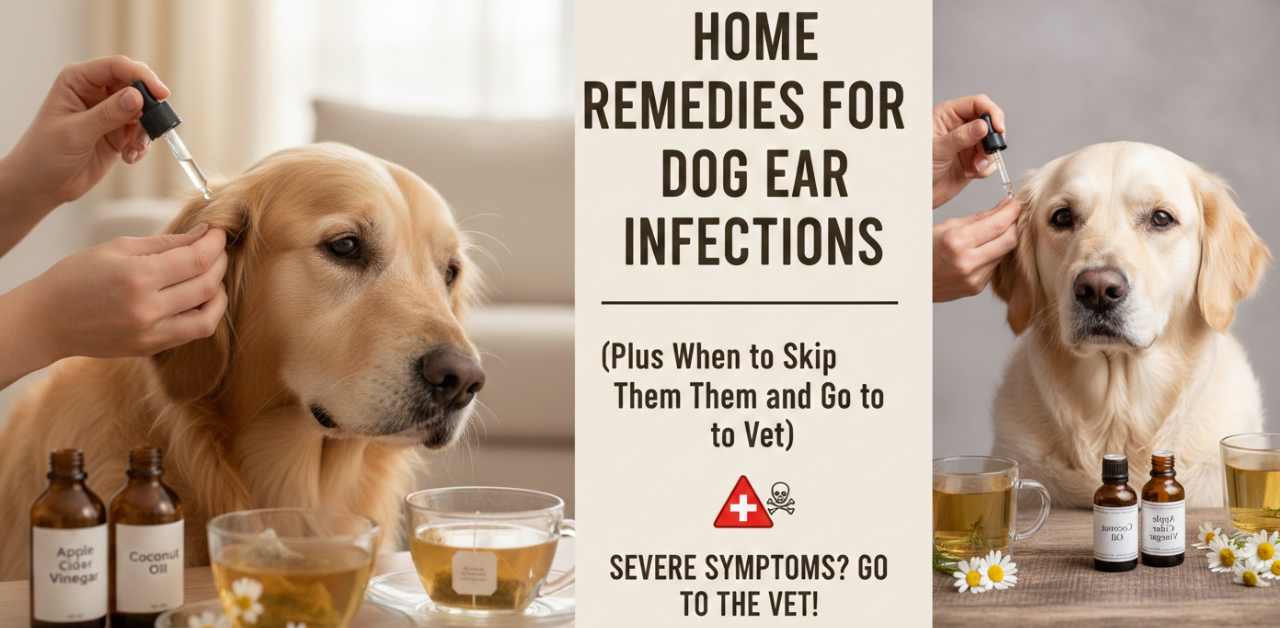
Editor’s Note: This guide on home remedies for dog ear infections has been personally reviewed and updated by me, Muhammad Sajid, for 2026. As a pet care specialist, I prioritize the safety of your furry friends above all else. Not all household items are safe for a dog’s sensitive ears, so I have curated only the most reliable and veterinarian-approved natural solutions. My goal is to provide you with practical, safe, and effective ways to support your dog’s ear health from the comfort of your home.
Introduction: Navigating Dog Ear Discomfort and the Search for Relief
Managing home remedies for dog ear infections requires a careful balance between natural healing and pet safety. As a dedicated pet care specialist, I have witnessed the distress owners feel when their dogs constantly scratch or shake their heads in discomfort. While severe infections always require professional veterinary intervention, many natural ear treatments can provide immediate soothing relief and maintain ear hygiene.
By using safe pet remedies like diluted organic mixtures, you can manage mild irritations and prevent future wax buildup effectively. In this guide, I will share my top effective dog ear cleaners and holistic tips that are gentle on canine ears and easy to prepare at home.
Recognizing the Problem: What are the Symptoms of a Dog Ear Infection?
Early detection is key to successful management. A true infection usually presents with signs beyond simple itching.
- Symptoms Checklist (The Red Flags):
- Head Shaking or Head Tilting: A primary sign of discomfort or fluid deep within the ear.
- Constant Scratching: Especially around the base of the ear, leading to potential self-trauma.
- Foul Odor: A strong, yeasty, or unpleasant smell is a clear indicator of microbial overgrowth.
- Redness and Swelling: Inflammation of the ear flap (pinna) and visible canal entrance.
- Abnormal Discharge: Yellowish-green pus (suggesting bacteria) or dark brown/black waxy debris (suggesting yeast or mites).
- Pain Upon Handling: Yelping or resisting when the ear is touched.
- Behavioral Changes: Lethargy, loss of appetite, or signs of dizziness (inner ear involvement).
When to Seek Veterinary Care Immediately
While many want to know how to treat dog ear infection with out vet, delaying professional care for a serious infection can lead to chronic issues, hearing loss, or permanent damage.
| Symptom Requiring Immediate Vet Visit | Potential Risk |
| Severe Pain or Crying | Possible perforated eardrum or deep Otitis Media. |
| Swelling of the Face or Head Tilt | Inner ear involvement (Otitis Interna), affecting balance and neurological function. |
| Bloody or Pus-Filled Discharge | Active bacterial infection that requires prescription antibiotics. |
| No Improvement after 48 Hours of Home Care | The infection is likely too established to be treated by topical home solutions alone. |
Types and Causes of Dog Ear Infections

To manage ear infections in dogs home remedies, you must understand the underlying cause.
- The Anatomical Challenge: The dog’s ear canal is L-shaped (vertical and horizontal), making it an ideal, dark, and humid trap for debris.
- The Main Culprits (Types of Infection):
- Yeast (Malassezia): The most common cause, thriving in moist, waxy, non-acidic environments. Often results in a sweet/yeasty odor and dark discharge.
- Bacteria: Often secondary to inflammation or trauma. Requires targeted antibiotics.
- Ear Mites (Otodectes cynotis): More common in puppies. Causes an intense itch and dark, crusty, coffee-ground-like debris.
- Root Causes (Why it Happens):
- Allergies: Environmental (pollen) or food allergies are the #1 cause of recurrent infections.
- Moisture: Water retention after swimming or bathing is the perfect setup for microbial growth.
- Breed Predisposition: Floppy-eared dogs (Cocker Spaniels, Basset Hounds) have reduced air circulation, increasing humidity.
The Actionable Plan for Home Treatment
The Essential First Step: Proper Ear Cleaning Technique
Cleaning is non-negotiable. If you apply a remedy over debris, it won’t work. (This section should be detailed, drawing from Cornell Vet’s principles).
- Why Cleaning Matters: It clears the canal of wax, debris, and exudate, allowing medications (or remedies) to reach the affected skin.
- Choosing Your Solution: Use a commercially available veterinary cleaner, a gentle saline solution, or a very mild, non-irritating home rinse (detailed below).
- Step-by-Step Cleaning Guide:
- Preparation: Have a good supply of cotton balls/pads and towels ready. Never use cotton swabs deep inside.
- Application: Gently pull the ear flap up and fill the canal (or the top third) with the solution.
- The Massage: Crucially, massage the flexible base of the ear vigorously for 20-30 seconds. This breaks up the wax plug deep in the horizontal canal.
- The Shake: Step back and let your dog shake its head (which is why a towel is needed!).
- Wiping: Use dry cotton balls to wipe away the loosened solution and debris from the outer visible part of the ear.
- Pro Tip: Never insert anything past the bend in the ear canal.
“Important Safety Tip: If your dog’s ear is bleeding, extremely swollen, or has a very foul odor, please consult a veterinarian immediately. Home remedies are best for mild irritation and maintenance, not for deep bacterial infections.”
Top 5 Trusted Home Remedies for Mild Infections and Maintenance

These remedies represent the safest and most effective options when attempting dog ear infection treatment at home for mild irritation or post-infection maintenance.
- Diluted Apple Cider Vinegar (ACV) Rinse
- Mechanism: Acetic acid helps return the ear canal’s environment to its naturally acidic state (pH 4.5−5.5), which inhibits yeast and bacteria growth.
- Usage: Use a solution of 1 part ACV to 2 parts distilled water. Use only on non-irritated ears. Never apply to broken, bleeding, or severely red skin.
- Coconut Oil (Virgin, Unrefined)
- Mechanism: Contains medium-chain triglycerides, specifically Caprylic Acid, which possesses mild natural antifungal properties. It is also highly moisturizing, soothing dry, flaky skin.
- Usage: Apply a small amount (liquefied) only to the outer ear flap and the immediate entrance to the canal. Do not pour large amounts deep into the ear.
- Green Tea or Chamomile Tea Wash
- Mechanism: Both teas are rich in anti-inflammatory antioxidants (polyphenols) that can soothe redness and itching.
- Usage: Brew a strong tea, allow it to cool completely, strain it thoroughly, and use it as a very gentle, soothing, non-acidic flush.
- Colloidal Silver
- Mechanism: Has been studied for broad-spectrum antimicrobial properties against bacteria and yeast.
- Usage: Available in dropper bottles; follow product directions carefully. Use high-quality veterinary-grade colloidal silver.
- Witch Hazel (As a Drying Agent)
- Mechanism: Acts as a mild astringent, helping to dry residual moisture after cleaning, preventing a humid environment.
- Usage: Apply a tiny amount to a cotton ball and wipe the outer ear only.
Home Remedies to AVOID (The Danger Zone)
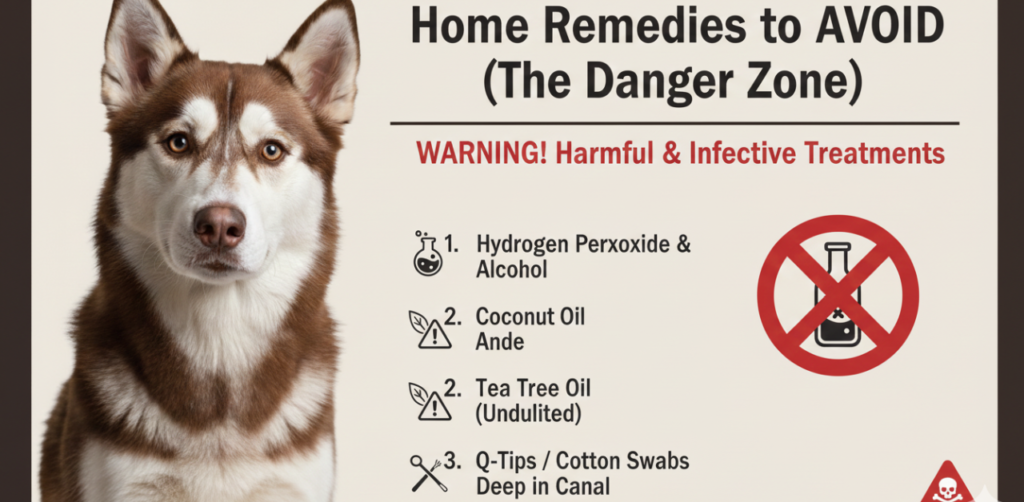
Certain popular “home cures” are either ineffective, irritating, or actively harmful.
- Hydrogen Peroxide: Causes bubbling action that can push debris deeper. It can also damage the delicate hair cells within the ear, potentially leading to hearing damage.
- Rubbing Alcohol: Highly irritating and extremely drying, causing burning pain, especially on inflamed skin.
- Undiluted Vinegar or Strong Essential Oils: Too acidic or potent; they will burn the delicate lining of the ear canal. Essential oils (like Tea Tree Oil) can also be toxic if ingested or absorbed.
- Medications: Never use human antibiotics or antifungals in the ear without a specific veterinary instruction.
Prevention and Long-Term Wellness
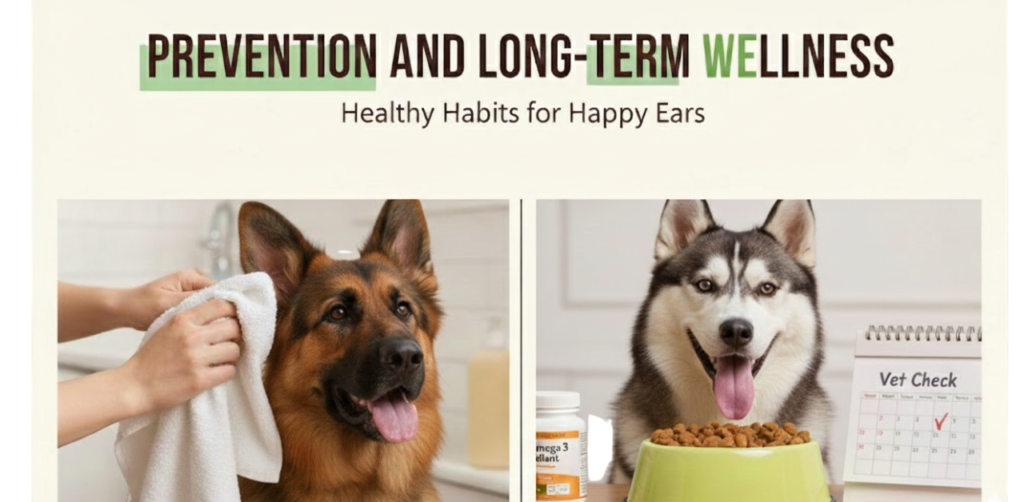
Prevention is the Best Cure: Keeping ‘Em Dry and Clean
Consistent prevention is the best way to stop the cycle of recurring infections.
- Moisture Management
- 1 Keep ‘Em Dry: Use cotton balls or an ear-drying solution (veterinary grade) immediately after swimming or bathing.
- If your dog swims frequently, discuss a maintenance drying protocol with your vet.
- Routine Hygiene:
- 2 Keep ‘Em Clean: Establish a routine cleaning schedule. For non-prone dogs, monthly cleaning is often sufficient; for floppy-eared or allergy-prone dogs, weekly cleaning may be necessary.
- Environmental & Dietary Control:
- Allergy Management: If infections are chronic, focus on the root cause—usually allergies. This involves diet trials, elimination diets, or prescription allergy medications (Cytopoint, Apoquel, etc.).
- The Cone Zone: Why using an Elizabethan collar is essential during the healing phase to prevent the dog from scratching and inflicting secondary damage.
Conclusion: Responsible Pet Ownership and Final Thoughts
The journey to managing ear infections in dogs home remedies requires diligence, observation, and responsibility. Home remedies offer invaluable support for routine cleaning and managing mild flare-ups. However, they are no substitute for professional veterinary care. Use this guide to empower yourself with knowledge, but always prioritize your dog’s comfort and health.
- Final Call to Action (CTA): If symptoms of pain, fever, or deep discharge occur, put down the home remedies and schedule an appointment with your veterinarian today.
“For more expert advice on pet care and to learn about our journey, feel free to visit my [About the Author] page.”