
Editor’s Note: This collection of homemade cat food recipes has been meticulously reviewed and updated by me, Muhammad Sajid, for 2026. As a pet care specialist, I know that cats are obligate carnivores with very specific nutritional requirements. Every recipe and tip shared here is designed to prioritize high-quality protein and essential nutrients while avoiding harmful fillers. My goal is to empower you to provide a natural, veterinarian-approved diet that helps your cat thrive and live a long, healthy life.
Introduction: Why the Shift to Homemade?
IPreparing homemade cat food recipes is one of the most rewarding ways to ensure your feline companion receives optimal nutrition without hidden additives. As a dedicated pet care specialist, I have observed that many commercial diets often fall short of providing the high-quality protein cats truly need for longevity.
Switching to a natural cat diet allows you to control every ingredient, catering specifically to your pet’s unique health requirements. By focusing on balanced feline nutrition, you can prevent common digestive issues and boost their energy levels naturally. In this guide I will share my favorite healthy cat meals that are easy to prepare and veterinarian approved for daily feeding.
The Biological Necessity: Why Cats are Obligate Carnivores
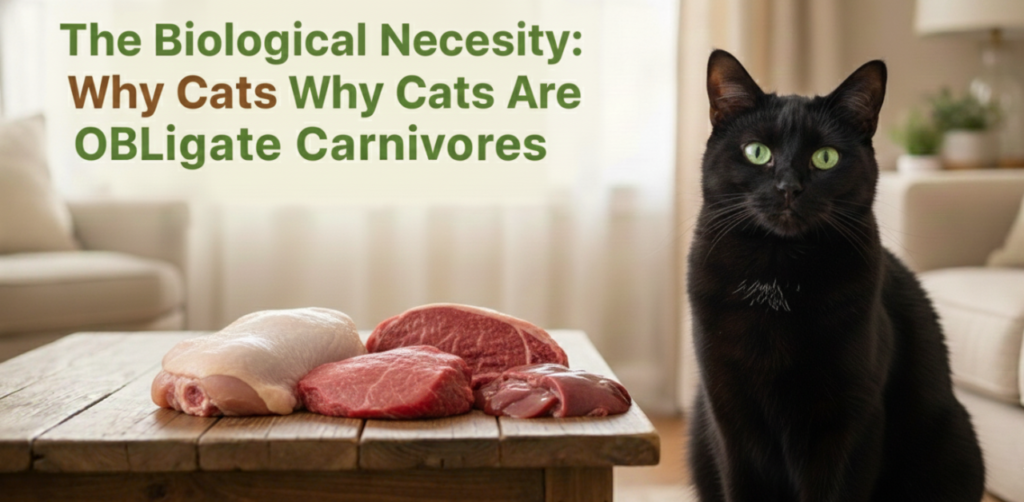
To understand why homemade cat food recipes are superior, we must look at the evolutionary biology of the cat (Felis catus).
The Ancestral Diet
In the wild, a cat’s diet consists of small mammals, birds, and insects. These prey items are high in protein, moderate in fat, and very low in carbohydrates. Their bodies are designed to derive glucose through a process called gluconeogenesis, using protein rather than sugars.
The Amino Acid Profile: Taurine and Arginine
Unlike dogs or humans, cats cannot synthesize Taurine from other amino acids. Taurine is found almost exclusively in animal muscle meat (especially the heart). A deficiency leads to “Dilated Cardiomyopathy” and “Central Retinal Degeneration.” When making cat food at home, ensuring the retention of Taurine which can be lost during high-heat cooking—is your number one priority.
The Moisture Gap
Domestic cats evolved from desert-dwelling ancestors. They have a low thirst drive because their prey is approximately 75% water. Dry kibble usually contains only 10% moisture, leaving cats in a state of chronic mild dehydration. This is the primary driver of the feline “CKD” (Chronic Kidney Disease) epidemic. Home made cat food naturally bridges this hydration gap.
The Scientific Benefits of Fresh Food
Switching to a recipe for homemade cat food provides transformative results that you can see and feel:
- Digestive Efficiency: Because fresh meat is highly bioavailable, your cat’s body uses almost all of it. This results in smaller, less frequent, and nearly odorless stools in the litter box.
- Metabolic Health: By removing the 30-50% carbohydrate fillers found in kibble, you significantly reduce the risk of feline diabetes and obesity.
- Dermatological Excellence: Natural animal fats and Omega-3 fatty acids promote a soft, lustrous coat and eliminate the dry, flaky skin often seen with processed diets.
Safety Standards: Avoiding Nutritional Imbalance
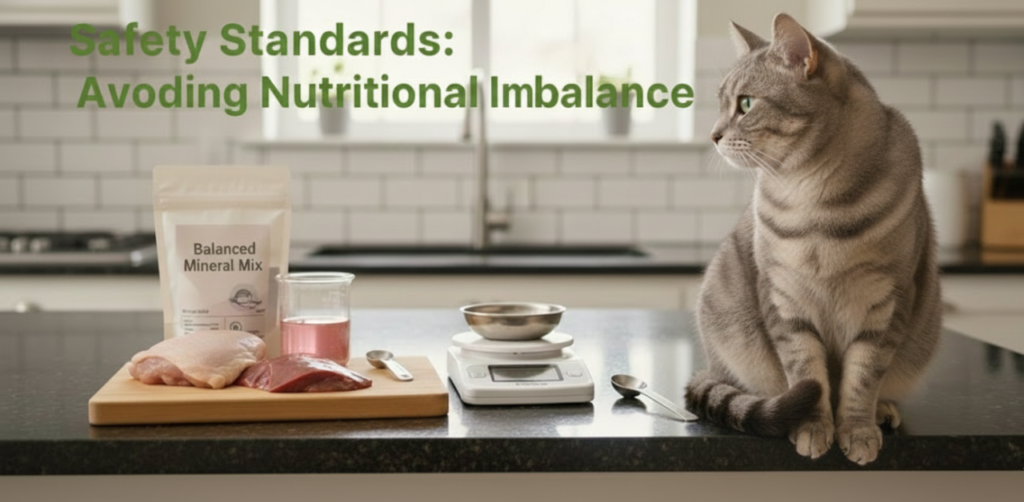
The most dangerous mistake in making cat food at home is feeding “just meat.” A cat in the wild eats the whole animal—bones, organs, and all.
The Calcium-to-Phosphorus Ratio
Meat is high in phosphorus. Without bones or a calcium supplement, a meat-only diet will pull calcium from the cat’s own bones to balance the blood, leading to skeletal deformities.
The Role of Premixes
For most owners, calculating the exact milligrams of 20 different vitamins is impossible. Veterinary nutritionists recommend using a high-quality premix supplement. These powders turn plain meat into a “complete and balanced” meal instantly. This ensures your home made cat food meets AAFCO standards without the guesswork.
Top 5 Detailed Homemade Cat Food Recipes
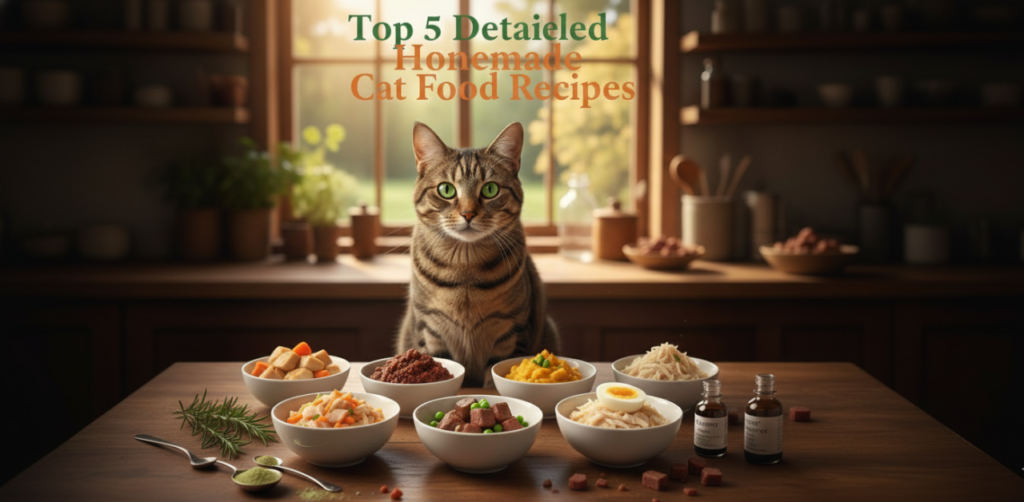
The Omega-Rich Chicken and Sardine Blend
This recipe is fantastic for heart health and a shiny coat.
- Ingredients: 2 lbs boneless chicken thighs (with skin), 1 can sardines (in water, NO salt), 1 cup filtered water, 2 tsp salmon oil, and the required dose of a complete premix.
- Preparation: Lightly poach the chicken to kill surface bacteria while keeping the interior moist. Chop into small bite-sized pieces and fold in the mashed sardines and supplements.
Raw Ground Rabbit (The Gold Standard)
Rabbit is highly digestible and is a “novel protein,” meaning it’s less likely to trigger allergies.
- Ingredients: 2 lbs ground rabbit (meat, bone, and organ), 2 scrambled eggs (for extra Vitamin D), and Taurine supplement.
- Safety Tip: Ensure the rabbit is sourced from a reputable supplier to avoid parasites.
Turkey and Pumpkin (The “Sensitive Gut” Mix)
Ideal for cats with frequent upset stomachs or diarrhea.
- Ingredients: 2 lbs ground turkey, 3 tbsp pure canned pumpkin (not pie filling), 1 tsp kelp powder, and a balanced supplement.
- Benefit: Pumpkin provides soluble fiber that regulates the digestive tract.
Beef and Heart “Vitality” Stew
- Ingredients: 1.5 lbs lean ground beef, 0.5 lb beef heart (diced small), 1/2 cup beef bone broth (no onions/salt), and supplements.
- Why it works: Beef heart is nature’s best source of Taurine.
White Fish and Egg “Protein Punch”
- Ingredients: 2 lbs steamed cod or tilapia, 3 hard-boiled eggs (mashed), and fish oil.
- Note: Fish should be a “treat” or rotated protein, as an all-fish diet can sometimes lead to thiamine deficiency if not supplemented correctly.
The Preparation Process: Batch Cooking for Success

Making cat food at home shouldn’t be a daily chore. Use the “Batch Method”:
- Preparation: Clean all surfaces with food-safe sanitizer. Cats are susceptible to Salmonella, just like humans.
- Grinding/Chopping: Use a heavy-duty meat grinder if your cat prefers a “pate” texture. If they like to chew, hand-dice the meat into 1/2 inch cubes.
- The Cooling Phase: Never mix vitamins/premixes into hot meat. Heat denatures the proteins and destroys the vitamins.
- Portioning: Use silicone muffin trays or glass mason jars to freeze daily portions.
Transitioning: The “Picky Eater” Protocol
Most cats are ‘neophobic,’ which is just a fancy way of saying they are picky eaters who are genuinely afraid of trying new foods for the first time.
- The 7-Day Mix: Start with 10% home made cat food and 90% old food. Gradually increase the homemade portion by 15% every day.
- The Topper Trick: If your cat refuses the new food, sprinkle a bit of “FortiFlora” or crushed dry treats on top to entice them.
- Temperature Matters: Cats prefer food that is “mouse temperature” (roughly 100°F). Warm the food in a bowl of warm water; never use a microwave as it creates “hot spots” that can burn their mouths.
Critical Warning: The “Toxic List”
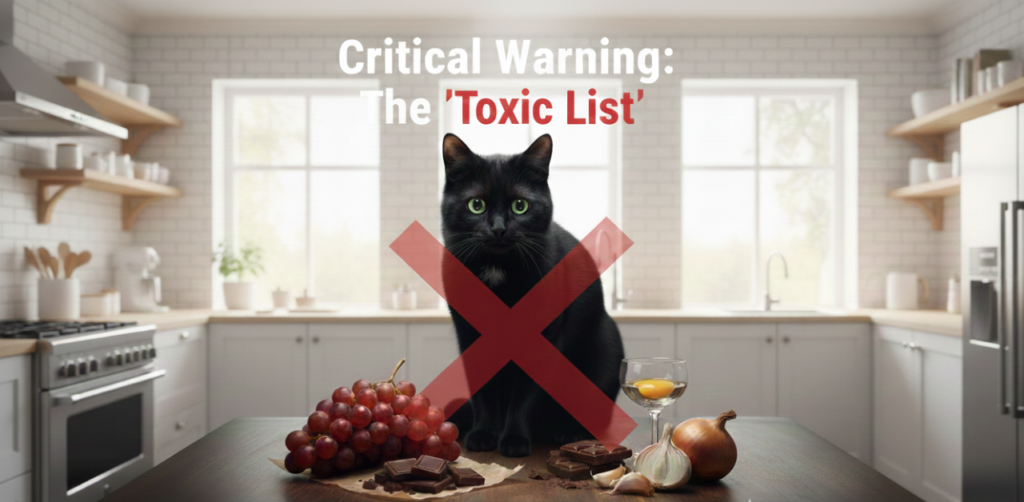
When developing your own cat food recipes, you must strictly avoid these ingredients:
- The Danger of Alliums: Onions and garlic contain a compound called thiosulphate, which triggers oxidative damage to feline red blood cells, leading to a serious condition known as Heinz body anemia.
- Why Raw Egg Whites Should Be Avoided: While cooked eggs are a great protein source, raw egg whites contain avidin. This “anti-nutrient” interferes with your cat’s Biotin absorption, which is why experts recommend always cooking the whites before adding them to homemade cat food recipes..
- Grapes/Raisins: Cause sudden kidney failure.
- Dairy (Milk/Cheese): Most adult cats are lactose intolerant and will develop severe diarrhea.
Financial Reality: Cost vs. Value
Is home made cat food more expensive? While the price of high-quality thigh meat or rabbit is higher than a bag of corn-based kibble, the long-term savings are immense. You are trading a higher grocery bill now for lower veterinary bills later. Cats on a fresh food diet rarely suffer from the expensive “big three”: Diabetes, Urinary Crystals, and Dental Disease.
Conclusion: A Legacy of Health
Transitioning to homemade cat food recipes is a journey of love. It requires patience, research, and a bit of kitchen cleanup. However, when you see your cat’s fur glisten under the sun, feel their lean muscles as they jump, and realize they have more energy than they did years ago, you will know that making cat food at home was the best decision you ever made.
Follow a balanced recipe for homemade cat food, keep your vet in the loop for regular blood work, and enjoy the peace of mind that comes with knowing exactly what is fueling your best friend.
“For more expert advice on pet care and to learn about our journey, feel free to visit my [About the Author] page.”