
Editor’s Note: This guide has been personally reviewed and updated by me, Muhammad Sajid, to ensure it meets the latest pet care standards for 2026. As a pet care specialist, I understand the unique challenges faced by allergy sufferers in the United States. Every breed mentioned here has been selected based on its low-dander characteristics and suitability for indoor living. My goal is to help you find a lifelong companion that fits your lifestyle and health needs.
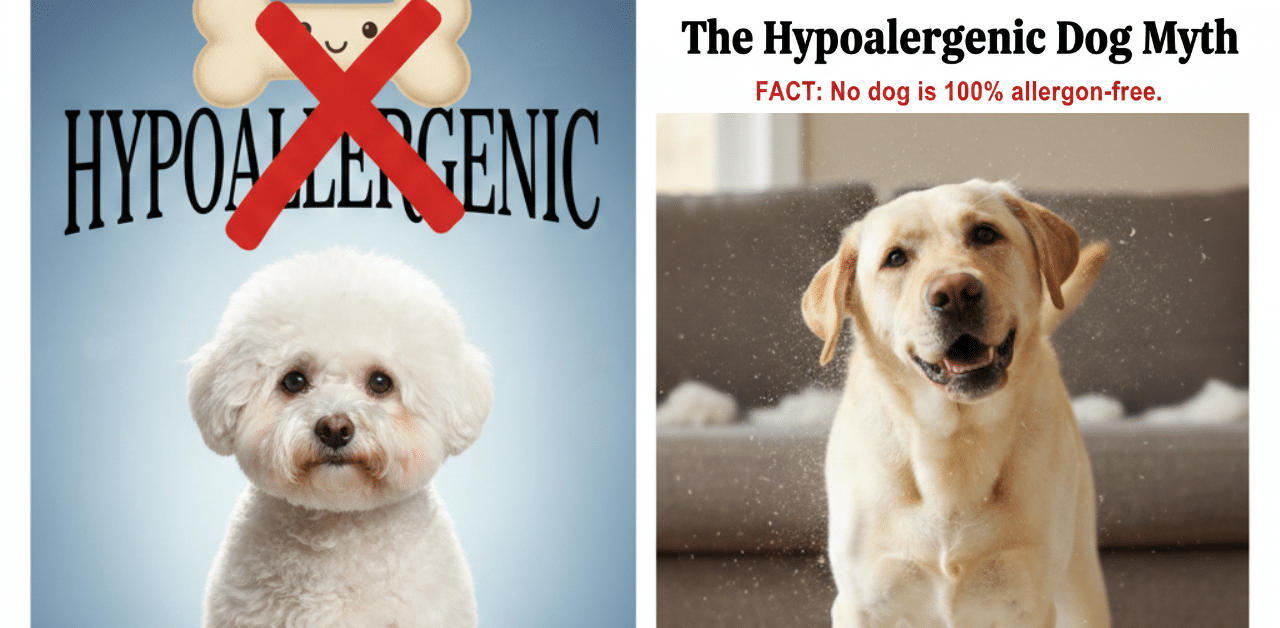
Introduction: The Hypoallergenic Dog Myth
Finding the perfect furry companion can be a heartbreaking challenge for many Americans who struggle with persistent pet sensitivities. As a dedicated pet care specialist, I understand that living with constant sneezing and watery eyes often feels like an impossible barrier to pet ownership. However, choosing specific hypoallergenic dog breeds can significantly improve your quality of life. While no dog is entirely allergen-free, selecting low-shedding dogs is the most effective way to minimize the spread of dander throughout your home.
In this comprehensive guide, I will share my professional insights into the best non-shedding breeds tailored for US allergy sufferers. Let’s explore how you can finally enjoy a loyal companion without compromising your health.
The Science Behind Low-Shedding Breeds
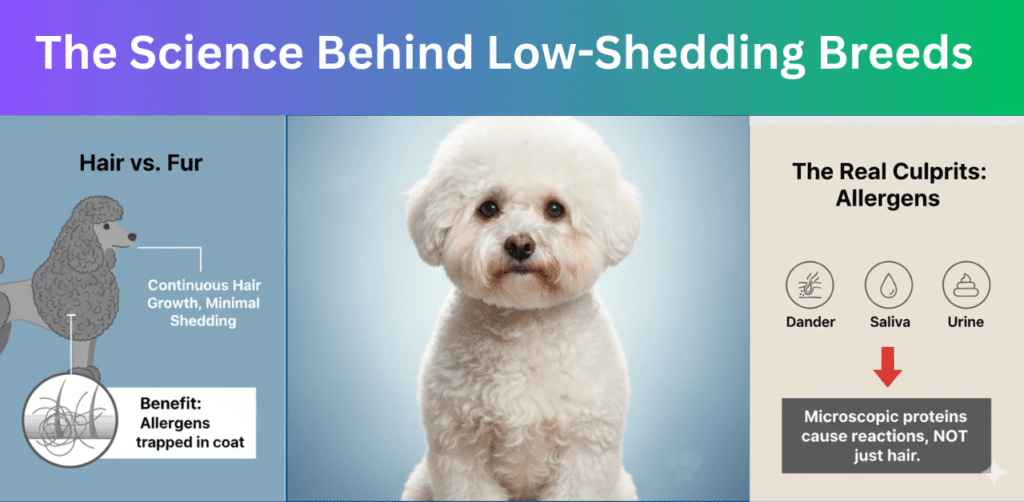
To choose the right dog, we must first understand the enemy: the allergen. The problem is not the dog hair itself; it is the microscopic proteins carried on the hair, skin, and bodily fluids.
What Makes a Dog Hypoallergenic?
Proteins within a dog’s body are the main source of compounds that cause allergic reactions.
Dander: Dead skin flakes that dogs naturally shed.
- Saliva: Licking deposits protein onto the fur, which dries and flakes off.
- Urine: Residual allergens can be found wherever the dog eliminates.
Hypoallergenic dogs are defined by their coat type and shedding patterns, not by a lack of allergen production. These dogs possess hair (similar to human hair) rather than fur. This hair typically grows continuously and sheds minimally, often only when brushed out.
The benefit is that when a dog sheds less, the allergenic dander is trapped within the curly or wiry coat, rather than being released and suspended in the air or settling on furniture and rugs. For individuals with mild to moderate allergies, this reduced environmental load can make a significant difference.
Myths vs. Facts: Clearing Up Misconceptions

Understanding the following points is crucial for any American household considering a low-shedding dog:
| Myth | Fact |
| “Hypoallergenic dogs won’t cause allergies at all.” | False. They only produce fewer allergens. Highly sensitive individuals may still react. |
| “Only small dogs can be hypoallergenic.” | False. Hypoallergenic breeds range from the tiny Maltese to the giant Standard Poodle. The coat type is the determining factor, not size. |
| “Shedding is the only problem.” | False. Dander, saliva, and urine are the main culprits. Even hairless breeds carry allergens. |
| Should this particular dog cease shedding, I would no longer need to perform grooming tasks | False. These coats require more grooming (brushing and clipping) to remove trapped dead hair and dander, preventing matting and controlling allergens. |
Allergy Considerations: The Test Phase
Before committing to a decade or more with a specific breed, it is absolutely vital to test your individual reaction. Every person’s sensitivity is unique, and you may react to one “hypoallergenic” dog but not another.
- Consult Your Allergist: Discuss your intentions with your healthcare provider. They may recommend specific allergy medications or treatments before bringing a dog home.
- The “Test Visit”: Arrange an extended visit (ideally several hours) with a reputable breeder or owner of the desired breed. This contact exposure is the only reliable way to predict your potential reaction.
- Borrow a Blanket: Some experts recommend obtaining a blanket or towel the specific dog has slept on and placing it in your home for a day or two to see if you experience symptoms.
Key Factors for Choosing Your Companion
Choosing a dog is a lifestyle decision. For US families, the decision must balance the dog’s needs with the family’s space, schedule, and activity level. The “hypoallergenic” status is only one of four critical factors you must consider.
Size of the Dog
The size of the dog dictates their resource needs, from food to space.
- Small Breeds (Under 25 lbs): Ideal for apartment living, urban environments, or families with limited yard space. They often require less exercise but can be more fragile around very young children. (Examples: Bichon Frise, Toy Poodle, Maltese).
- Medium Breeds (25-50 lbs): Versatile and adaptable. They generally need moderate daily exercise and fit well into suburban homes. (Examples: Portuguese Water Dog, Soft Coated Wheaten Terrier).
- Large Breeds (Over 50 lbs): Require substantial living space, considerable exercise, and consistent training. They are best suited for larger homes with secure yards. (Examples: Standard Poodle, Giant Schnauzer).
Temperament and Energy Level
A dog’s energy level must match yours. A bored dog can become a destructive dog, regardless of its shedding level.
- High-Energy Breeds: If your family enjoys hiking, running, or has a very active lifestyle, breeds like the Portuguese Water Dog or Airedale Terrier are excellent matches. They need multiple hours of vigorous activity daily.
- Moderate-Energy Breeds: Most companion breeds, like the Bichon or Mini Poodle, require daily walks and focused playtime but are content to relax indoors afterward.
- Family Fit: Always research the breed’s historical role. For example, Terriers are typically independent and stubborn, while Poodles are highly intelligent and eager to please.
Grooming Requirements: The Non-Negotiable Factor
This is the most critical factor often overlooked by first-time owners of hypoallergenic dogs. Since these coats do not shed naturally, they must be maintained by humans. If you skip grooming, the coat will quickly matt (tangle), causing pain and serious skin issues.
| Grooming Component | Low-Shedding Dog Requirement | Rationale |
| Brushing | Daily or every other day. | To prevent painful matting and remove trapped dander/dead hair before it releases. |
| Bathing | Every 2 to 4 weeks. | To wash away accumulated dander and allergens from the hair and skin. |
| Professional Clipping | Every 4 to 8 weeks. | These coats grow continuously and require professional trimming to maintain health and prevent mats. |
The Cost: Be prepared to budget for professional grooming, which can be expensive, especially for large breeds or those requiring specialized cuts.
Top Low-Shedding Purebreds
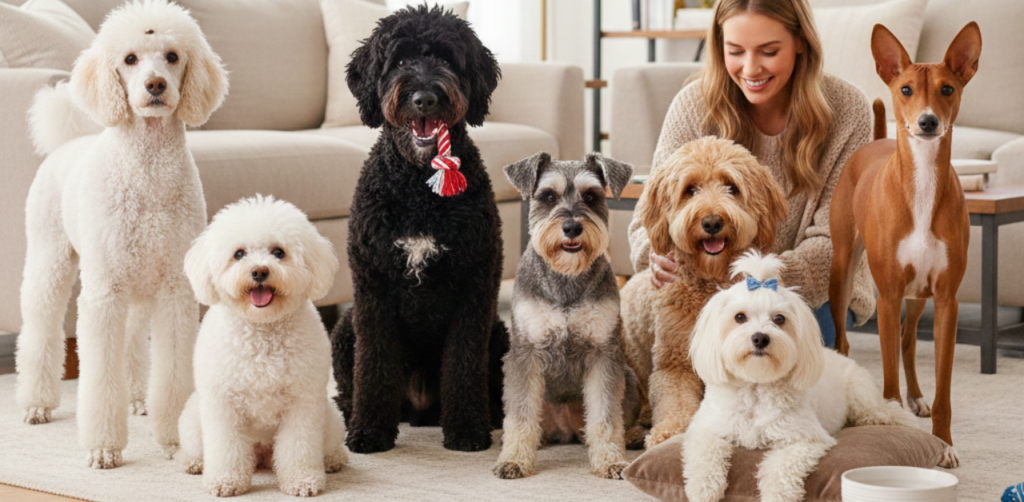
The following breeds are commonly recognized by major US kennel clubs and veterinarians as the most suitable low-shedding choices.
Small Hypoallergenic Dog Breeds
Small breeds are generally portable, require less daily exercise, and are popular in urban US environments.
- Bichon Frise: Known for their cheerful, cotton-ball appearance and playful nature. They are friendly, thrive on human companionship, and are excellent for first-time dog owners.
- Maltese: An ancient companion breed with long, silky white hair that mimics human hair. They are gentle, affectionate, and adapt easily to apartment life but require meticulous daily face and coat care.
- Miniature Poodle: Highly intelligent and trainable. Their dense, curly coat is the gold standard for trapping dander.Their strong desire to satisfy others translates into exceptional performance in adherence to commands.
- Miniature Schnauzer: A robust, spirited terrier with a distinctive wiry coat and bushy eyebrows. They are loyal watchdogs and generally adapt well to various home sizes, provided they get adequate exercise.
- Yorkshire Terrier (Yorkie): Bold, confident, and known for their fine, silky, low-shedding coat. They require dedicated grooming but are ideal for small living spaces.
Top Low-Shedding Purebreds (Continued)
Medium Hypoallergenic Dog Breeds
Medium-sized dogs offer a good balance of companionship and sturdiness, often fitting well into family life without the space demands of a giant breed.
- Portuguese Water Dog (PWD): Made famous as the breed of choice for the Obama family, the PWD is highly energetic, intelligent, and built for work. Their strong, non-shedding, often curly coat is water-resistant. They need vigorous daily exercise and excel at dog sports, making them perfect for active US families who love the outdoors.
- Soft Coated Wheaten Terrier: Known for their silky, wavy coat and their joyful, leaping “Wheaten Greetin’.” They are friendly, devoted family dogs. Their coat requires regular brushing and trimming to maintain its softness and prevent the fine hair from matting.
- Standard Schnauzer: They are powerful, intelligent, and protective, making them excellent, reliable family companions and alert watchdogs. Their wiry coat is low-shedding but needs regular stripping or clipping to stay healthy.
Large Hypoallergenic Dog Breeds
For those who need a substantial companion but must avoid shedding, several large breeds fit the bill. These dogs require more space, food, and training commitment.
- Standard Poodle: The most elegant and intelligent of the hypoallergenic breeds. The Standard Poodle is far from a delicate show dog; they are active, athletic, and were historically water retrievers. Their dense, curly coat is their defining hypoallergenic feature. They are highly adaptable to family life and excellent with children when properly socialized.
- Giant Schnauzer: A powerful and loyal breed originally developed in Germany to drive cattle. They are protective, demanding, and require consistent training and plenty of exercise. Their dense, wiry coat is low-shedding, but their signature beard and furnishings need daily cleaning and brushing.
- Irish Water Spaniel: A relatively rare breed recognized by its distinctive, tightly curled, water-repellent liver-colored coat. They are highly active, devoted, and excel in water sports. Their strong energy levels require a commitment to daily, challenging physical activity.
- Airedale Terrier: Often called the “King of Terriers,” this is the largest of the terrier group. They are intelligent, strong-willed, and highly independent. Their dense, wiry coat is low-shedding but requires regular grooming (stripping or clipping). They thrive in active households that can provide plenty of mental stimulation.
Unique and Less Common Purebreds
For the dedicated owner, a few rarer breeds offer low-shedding coats:
- Lagotto Romagnolo: An ancient Italian breed prized for its woolly, curly coat and its modern-day role as a truffle hunter. They are intelligent, enthusiastic, and loving, making them excellent family pets with a high desire to work and dig.
- Xoloitzcuintli (Mexican Hairless Dog): As their name suggests, these dogs are typically hairless, making them excellent for allergy sufferers. They require skin care (sunscreen and moisturizers) rather than coat care. They are calm, loyal, and watchful.
- Afghan Hound: Known for their striking beauty and long, flowing coat, which, surprisingly, is low-shedding. Their coat is high-maintenance, requiring near-daily brushing to prevent matting. They are independent and often aloof, requiring an owner who understands a sighthound’s unique temperament.
Modern Trends and Emerging Breeds for Allergy-Sufferers (2026)
As we move into 2026, the concept of hypoallergenic dog ownership has evolved beyond simply looking for “non-shedding” coats; it has shifted toward holistic management. This year, we are seeing a significant rise in the popularity of breeds like the Lagotto Romagnolo and the Coton de Tulear in the US perfect alternatives for those seeking something different from the traditional Poodle.
Beyond choosing the right breed, modern technology is playing a massive role. Tools such as Smart H13 HEPA Purifiers and specialized Probiotic Pet Shampoos have made controlling dander at home easier than ever. Furthermore, a major trend for 2026 is focusing on skin health from the inside out. By using dietary supplements like Omega-rich organic oils, owners can improve their dog’s coat health and naturally reduce dander production at the source.
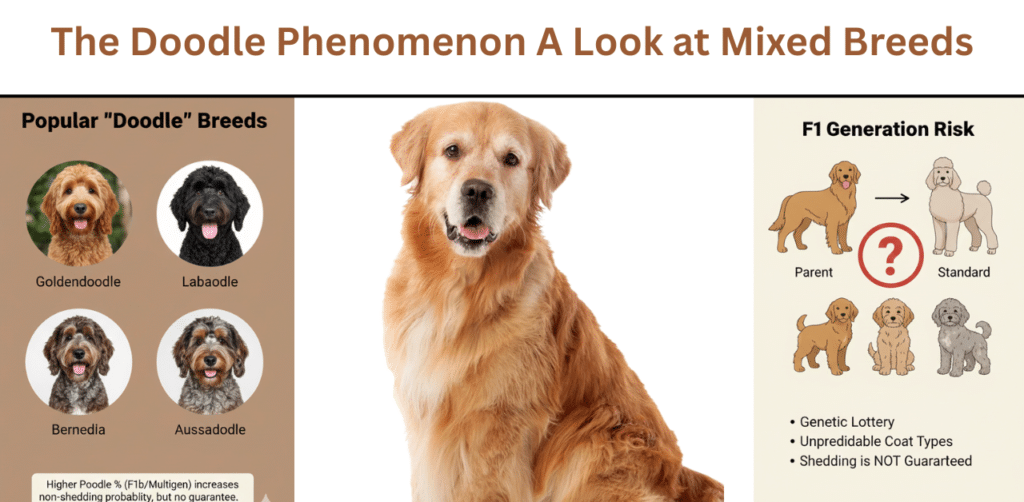
The Doodle Phenomenon: A Look at Mixed Breeds
Editor’s Note:
In the United States, “Doodle” breeds have surged in popularity, often specifically marketed as hypoallergenic dogs. They represent a blend of the Poodle’s intelligence and low-shedding coat with the appealing traits of other popular breeds.
Are Doodles Hypoallergenic Dog Breeds? The F1 Generation Risk
This is the most critical question for prospective Doodle owners. The answer is: It depends on genetics, and it is not guaranteed.
- F1 Generation: A cross between a purebred Poodle and a purebred retriever (e.g., Golden Retriever x Poodle). In this first generation, the coat type is a genetic lottery.
- Some puppies inherit the Poodle’s tight, non-shedding curl.
- Others inherit a straighter, shedding coat closer to the Golden Retriever or Labrador.
- F1b/Multigen: These generations involve back-crossing to a Poodle (F1b) or crossing two Doodles (Multigen). These generations have a higher Poodle percentage, significantly increasing the probability of a non-shedding coat, but even then, a guarantee is impossible.
Owners must be prepared for a wide variance in coat type, energy, and temperament within the same litter. Always ask a breeder for a genetic assurance (often based on coat markers) if allergies are a primary concern.
Most Popular “Doodle” Breeds
| Doodle Breed | Parent Breeds | Coat Type & Allergen Risk | Key Temperament Trait |
| Goldendoodle | Golden Retriever x Poodle | Varies from straight to curly. Often needs brushing to prevent mats. | Extremely friendly, social, and trainable. |
| Labradoodle | Labrador Retriever x Poodle | Can be fleece (wavy) or wool (curly). F1 generation carries shedding risk. | Eager to please, highly energetic, and playful. |
| Bernedoodle | Bernese Mountain Dog x Poodle | Often thick, wavy, and substantial. Needs heavy grooming. | Gentle, affectionate, and loyal, often taking after the Bernese side. |
| Aussiedoodle | Australian Shepherd x Poodle | Can have the Poodle’s curl or the Aussie’s double coat. High energy. | Highly intelligent, active, and requires constant mental stimulation. |
| Maltipoo | Maltese x Poodle | Soft, fluffy, and generally low-shedding (both parents are hypoallergenic). | Excellent small companion; highly adaptable to apartment life. |
| Cockapoo | Cocker Spaniel x Poodle | Soft, wavy, or curly. A cheerful, affectionate, and established crossbreed. | Very sweet, happy-go-lucky, and generally good with children. |
Other Low-Shedding Mixed Breeds
These mixes combine two breeds already recognized for their low-shedding qualities, offering a potentially safer bet for allergy sufferers:
- Schnoodle: This animal represents a hybrid resulting from the mating of a Schnauzer and a Poodle.They are generally smart, playful, and low-shedding, with a protective nature inherited from the Schnauzer.
- Shorkie: Shih Tzu and Yorkshire Terrier mix. A small, spirited companion that is generally very devoted to its family.
- Malshi: Maltese and Shih Tzu mix. A gentle, cuddly, and very low-shedding small lapdog, perfect for quiet households.
Essential Care for Allergy Management
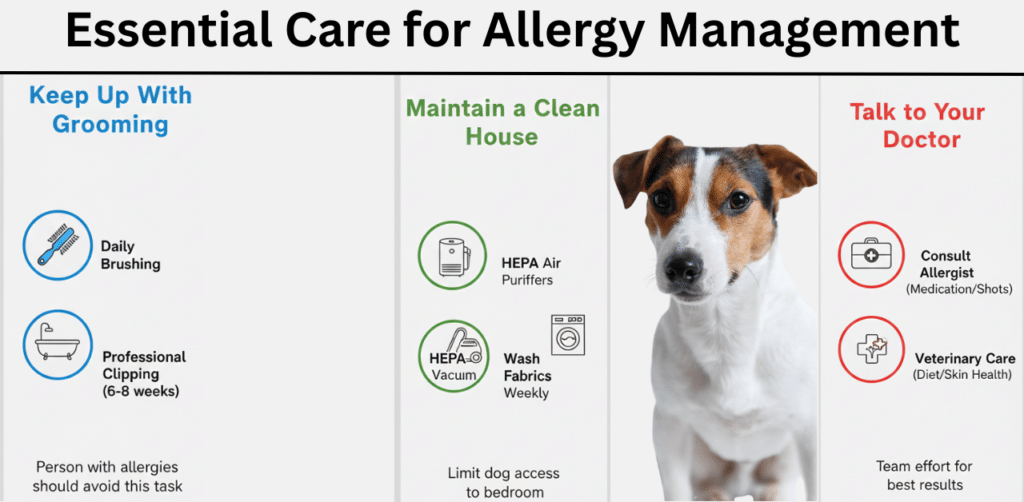
Bringing home a low-shedding dog is only the first step. To successfully manage allergies, you must commit to an aggressive hygiene routine for both the dog and your home environment. This dedication is often the difference between a successful adoption and a constant allergic battle.
Keep Up With Grooming
Since the hair traps dander, you must physically remove it before the dog releases it into your living space.
- Daily Brushing: Use a slicker brush and a metal comb to get deep into the coat, especially for double-coated or curly breeds like the Poodle or Wheaten. The person with the most severe allergies should avoid this task.
- The Bathing Routine: Bathing every two to four weeks is non-negotiable. Use a gentle, veterinarian-recommended dog shampoo. Consider using a dander-reducing wipe or spray specifically designed to neutralize dander proteins between baths.
- Professional Maintenance: Stick to a strict six to eight-week professional grooming schedule. Communicate clearly with your groomer about your needs to ensure the dog’s coat is kept short and manageable to minimize dander accumulation.
Maintain a Clean House
Environmental control is paramount to keeping airborne allergens at bay.
- Invest in HEPA Filtration:
- Air Purifiers: Place HEPA air purifiers in the rooms where the dog spends the most time (especially bedrooms). These filters effectively capture the tiny dander particles floating in the air.
- Vacuum Cleaners: Use a high-efficiency vacuum cleaner equipped with a HEPA filter to prevent allergens from being blown back into the air while cleaning carpets and upholstery.
- Limit Dog Access: Keep the dog out of the allergy-sufferer’s bedroom entirely. This provides an allergen-free sanctuary.
- Wash Fabrics Frequently: Dog beds, throw blankets, and even your own bedding must be washed weekly in hot water to neutralize dander.
- Remove Carpeting: Hardwood, tile, or laminate flooring is much easier to clean and harbors fewer allergens than wall-to-wall carpeting. If removal is not possible, steam cleaning the carpet regularly is essential.
Talk to Your Doctor
Allergy management is a team effort involving you, your veterinarian, and your healthcare provider.
- Consulting Your Allergist: Your allergist can perform tests to confirm your sensitivity level and suggest personalized treatments. This might include daily over-the-counter antihistamines, nasal sprays, or even allergy shots (immunotherapy) to build tolerance.
- Veterinary Care: Discuss your dog’s diet with your vet. A healthy diet rich in Omega fatty acids can improve skin health, potentially reducing dander production. Regular vet checkups ensure the dog isn’t suffering from skin conditions that could increase shedding or dander.
Making the Final Decision and FAQs
Making the Final Decision
Choosing a dog is a lifelong commitment. The final decision should hinge on finding the perfect match between the dog’s needs and your family’s ability to provide care.
- Matching Breed Characteristics to Family Lifestyle: Do not choose a Standard Poodle if you cannot provide two hours of intense exercise daily. Do not choose a high-maintenance coat if you are unwilling to commit to daily brushing and frequent professional grooming costs.
- Adoption vs. Breeder:
- Breeders: Reputable breeders specialize in understanding coat genetics and can often provide health clearances and socialization from an early age.
- Adoption/Rescue: Don’t overlook rescue organizations! Numerous Poodles and their mixed-breed offspring are placed in animal shelters. Rescues can sometimes provide valuable history on a specific dog’s temperament and even their observed shedding level.
- Consulting With Professionals: Always involve a veterinarian in your decision. They can advise on health issues common to a specific breed and recommend proper diet and care.
Frequently Asked Questions About Hypoallergenic Dogs
Here are the most common questions Americans ask when considering low-shedding breeds:
Are hypoallergenic dogs completely allergy-free?
No. This is a myth. They simply produce fewer allergens than heavy-shedding breeds. Highly sensitive individuals must still follow strict environmental and grooming protocols.
Can hypoallergenic dogs still cause allergies?
Yes. All dogs produce dander and saliva, which are the primary allergen sources. If you are highly allergic, a low-shedding dog will only reduce, not eliminate, the risk of a reaction.
What is the best way to evaluate a dog breed’s compatibility with my specific allergic condition?
The best method is the “Test Visit.” Spend a concentrated amount of time (at least a few hours) with the adult dog you plan to adopt or a dog of the same breed at a breeder or friend’s house. Observe your symptoms closely.
Are mixed breeds also hypoallergenic?
Some are, but it’s not guaranteed. Mixed breeds like Doodles can inherit the non-shedding trait, but their coat type is unpredictable, especially in the first generation (F1). It’s safer to choose an F1b or a mixed breed where both parents were low-shedding (e.g., Maltipoo).
Which hypoallergenic breed is best for kids?
Breeds known for their patience, gentle nature, and high intelligence are best. The Poodle (Standard or Miniature), Bichon Frise, and Soft Coated Wheaten Terrier are frequently cited as excellent, family-friendly choices.
Conclusion: The Path to Allergy-Friendly Ownership
Choosing a dog when facing allergies is a journey that requires careful research and commitment. The label “hypoallergenic dogs” should be seen not as a guarantee of an allergy-free life, but as a crucial starting point. Success hinges on three pillars: selecting a genuinely low-shedding breed (like a Standard Poodle or a reliable Maltipoo), maintaining an aggressive grooming schedule, and rigorously managing dander in your home environment.
“For more expert advice on pet care and to learn about our journey, feel free to visit my [About the Author] page.”