
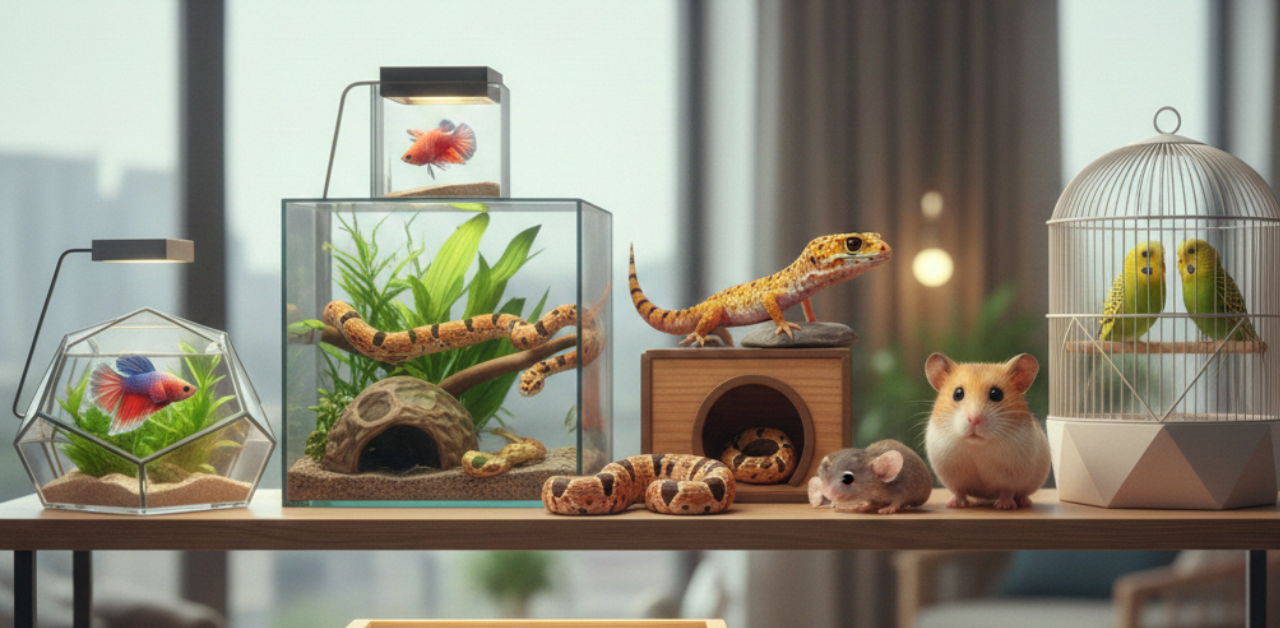
Editor’s Note: This list of the easiest pets to take care of has been personally curated and updated by me, Muhammad Sajid, for 2026. As a pet care specialist, I understand that “easy” doesn’t mean “no care.” Every animal on this list has been selected because its dietary and environmental needs are manageable for beginners, based on my years of experience in the pet industry. My goal is to help you find a companion that brings joy to your home without overwhelming your daily schedule.
Finding the easiest pets to take care of is a top priority for busy families and first-time owners across the US. As a pet care specialist, I have often seen people struggle with high-maintenance animals that don’t fit their hectic lifestyles.
Choosing low maintenance animals, such as certain hardy fish or small mammals, can make the journey of pet ownership much more enjoyable. According to pet experts at National Geographic, selecting the right species from the start is the key to a happy home.
The Evolution of “Low Maintenance” in 2025/2026

For decades, the term “low maintenance” was often misunderstood. Many believed it meant “no maintenance,” leading to neglected fish in bowls or lonely reptiles in cramped tanks. In 2025, we define an easy to take care of pet through a modern lens:
- Time-Efficiency: Daily chores (feeding, water changes, spot-cleaning) take less than 20 minutes.
- Economic Viability: The recurring monthly cost is manageable amidst inflation.
- Technological Integration: The availability of automated feeders, smart water filters, and self-cleaning habitats has made many animals “easier” than ever before.
- Spatial Flexibility: The animal can thrive in 500 square feet or less without feeling confined.
The Top 10 Easiest Pets to Take Care Of (In-Depth Analysis)
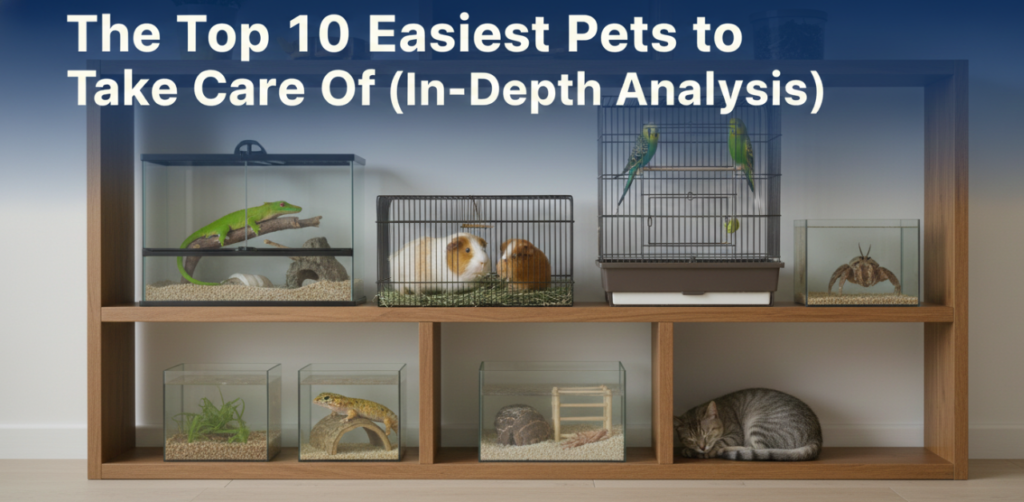
The Betta Fish: The Pinnacle of Aquatic Ease
Their stunning visuals and unique personality make them a favorite in USA households.
- Bettas aren’t your average fish; they can actually breathe air from the surface using their labyrinth organ. This ‘superpower’ makes them tough, durable, and the perfect low-maintenance choice for first-time owners
- The 2025 Standard Habitat: To keep them “low maintenance,” a 5-gallon tank with a gentle filter and a heater is required. A stable environment reduces the frequency of water changes.
- Daily Routine: 30 seconds of feeding once or twice a day.
- Weekly Routine: A 20% water change once a week (takes about 10 minutes).
- Pro Tip: Use live plants like Anubias or Java Moss. They help absorb nitrates, keeping the water cleaner for longer periods.
Leopard Geckos: The World’s Easiest Reptile
For those who want a scaly companion, the Leopard Gecko is the undisputed champion of low maintenance animals.
- Temperament: Unlike many reptiles that are flighty or aggressive, Leopard Geckos are docile and often enjoy being held.
- Feeding Schedule: Adults only need to be fed 3 times a week. Their diet consists of crickets, mealworms, or dubia roaches dusted with calcium.
- Cleaning: These geckos are naturally clean. They pick one corner of their enclosure as a “bathroom,” which makes spot-cleaning a breeze.
- Technology: Use a digital thermostat with a heat mat. Once the temperature is set, you rarely need to intervene.
Syrian Hamsters: The Solitary Small Mammal
Hamsters are iconic easy to take care of pets, but the Syrian variety is specifically recommended for beginners because they are solitary.
- Space Needs: A large enclosure (at least 450 square inches of floor space) is the modern standard. A larger cage actually stays clean longer than the small colorful cages sold in big-box stores.
- Activity: They are nocturnal. This is ideal for office workers who want a pet that wakes up just as they get home from work.
- Maintenance: Daily fresh water and a handful of seed mix. Deep bedding (6+ inches) allows them to burrow, which mimics their natural behavior and reduces stress.
Corn Snakes: The traveler’s Best Friend
If you travel frequently, the Corn Snake might be the best low maintenance animal for you.
- Feeding Frequency: Adult Corn Snakes eat once every 10 to 14 days. This means you can go on a week-long vacation without hiring a pet sitter.
- Handling: They are very tolerant of human interaction and stay a manageable size (3-5 feet).
- Environment: They require a simple setup: a warm side, a cool side, and fresh water.
Guinea Pigs: The Responsive Socialites
Guinea Pigs are perfect for those who want a “cuddly” pet but aren’t ready for a dog or cat.
- Communication: They are one of the few small pets that communicate vocally. They make “wheeking” sounds when they are excited to see you.
- Dietary Simplicity: Their diet is 80% Timothy hay, supplemented with pellets and fresh vegetables.
- Note on Socializing: To keep them “easy,” you must have two. Lone Guinea pigs can become depressed and ill, leading to high vet bills. Two pigs keep each other entertained, reducing your need to provide constant social stimulation.
Fancy Rats: The “Pocket Dogs”

Domesticated rats are perhaps the most intelligent animals on this list.
- Training: They can be litter-trained, taught to come when called, and even learn to play fetch.
- Grooming: Rats are fastidious groomers, much like cats. They do not have the strong odor often associated with other rodents if their cage is cleaned regularly.
- Emotional Bond: They form deep bonds with their owners, providing high-level companionship for a short-term commitment (2-3 years).
Sea Monkeys (Brine Shrimp): The Ultimate “Starter” Pet
For someone with zero time and a very tight budget, Sea Monkeys are the ultimate easy pets to take care of.
- The “Set and Forget” Factor: They require feeding only once a week. They do not need a heater, filter, or specialized lighting.
- Educational Value: They are a great way to introduce the concept of biological life cycles without any risk of noise or smell.
Budgies (Parakeets): The Cheerful Companion
Budgies are small, colorful, and can even be taught to mimic human speech.
- Social Nature: In 2025, many owners keep budgies in pairs so the birds can socialize while the owner is at work.
- Maintenance: Daily water changes and a high-quality pellet diet (instead of just seeds) will keep them healthy and reduce the frequency of veterinary visits.
Hermit Crabs: The Observational Tropical Pet
Hermit crabs are fascinating scavengers that thrive in a properly humidified “crabitat.”
- Low Cost: Their food consists of small bits of fruit, vegetables, and specialized pellets.
- Noise Level: Silent. They are perfect for people living in shared dorms or thin-walled apartments.
- Longevity: If kept in the right humidity, they can live for over 10 years, making them a stable, low-effort presence in your home.
Adult Indoor Cats: The Independent Choice
While a kitten is high-maintenance, an adult indoor cat (3+ years old) is a very low maintenance animal.
- Self-Sufficient: They don’t need to be walked and they groom themselves.
- Technology: With an automatic litter box and an automatic feeder, your daily “chores” are reduced to almost zero, leaving only the enjoyable parts like cuddling and play.
Comparative Analysis Table USA Market
| Pet Name | Maintenance Level (1-10) | Initial Setup Cost | Monthly Expense | Daily Time (Mins) |
| Betta Fish | 9/10 | $100 | $10 | 5 |
| Leopard Gecko | 8/10 | $250 | $20 | 10 |
| Hamster | 8/10 | $150 | $25 | 10 |
| Corn Snake | 9/10 | $300 | $15 | 5 |
| Guinea Pigs | 7/10 | $200 | $40 | 20 |
| Fancy Rats | 7/10 | $150 | $35 | 25 |
| Sea Monkeys | 10/10 | $30 | $2 | 1 |
| Budgies | 6/10 | $200 | $30 | 20 |
| Hermit Crabs | 8/10 | $120 | $10 | 10 |
| Indoor Cat | 7/10 | $200 (Adoption) | $70 | 30 |
The Mental Health Benefits of Low-Maintenance Pets
Choosing a pet that is easy to take care of isn’t just a matter of convenience; it’s a strategic choice for mental health.
Anxiety Reduction: Watching a fish swim or a reptile explore its tank has been scientifically proven to lower cortisol levels.
- Combating Loneliness: Even the small interaction of a hamster waking up when you walk into the room provides a sense of being “needed” without the overwhelming pressure of a high-energy dog.
- The “Biophilia” Connection: Modern humans are often disconnected from nature. Having low maintenance animals in the home reconnects us to the natural world, which can improve focus and sleep quality.
Advanced Care: The Secrets to Long-Term Ease
Many beginners find pets “hard” because they start with the wrong setup. To ensure these remain easy to take care of pets, follow these advanced strategies:
1. The Power of “Bio-Active” Enclosures
A bio-active setup uses live plants, “clean-up crews” (like isopods and springtails), and natural soil to break down waste. This can reduce the need for deep cleaning from once a week to once every few months! This is particularly popular for Leopard Geckos and Hermit Crabs.
2. Automation is Your Best Friend
- Smart Plugs: Use them to automate lights for birds and reptiles.
- Automatic Feeders: Essential for fish and cats.
- Moisture Sensors: Great for ensuring your hermit crabs or snakes have the right humidity without manual misting.
3. Bulk Buying and Meal Prep
To save money and time, many owners of easy pets to take care of buy hay or frozen-thawed mice in bulk. This reduces the number of trips to the pet store and lowers the cost per meal.
Apartment Living and Low-Maintenance Pets
Living in cities like New York, Chicago, or Los Angeles presents unique challenges for pet owners. Easy to take care of pets are the ideal solution for high-density living.
- Noise Ordinances: Most apartment leases have strict noise rules. Fish, reptiles, and small rodents are virtually silent, ensuring you never have a conflict with neighbors.
- Pet Deposits: Many landlords waive pet deposits for “caged” or “tanked” animals, saving you hundreds of dollars in move-in costs.
- Ease of Transport: When it’s time to move to a new apartment, moving a 10-gallon tank or a hamster cage is significantly easier than moving a large dog.
Common Pitfalls to Avoid
Even the easiest pets to take care of can become difficult if you make these common mistakes:
- Buying the “Starter Kit”: Most pet store starter kits contain subpar equipment. It is easier (and cheaper in the long run) to buy high-quality components separately.
- Nitrogen CycleThe biggest mistake new fish owners make is ignoring the ‘Nitrogen Cycle.’ It sounds technical, but it’s basically just preparing the water to be safe for your fish. Taking a week or two to cycle your tank before you bring your fish home is the best way to prevent sudden pet loss and ensures that keeping your tank clean is much easier down the road.”
- Ignoring Exotic Vets: Before bringing home a gecko or a rat, ensure there is an “exotic” veterinarian in your area. Standard cat/dog vets often do not have the expertise to treat these specialized animals.
Frequently Asked Questions (The Expert FAQ)
What is the absolute cheapest pet to own?
Sea Monkeys and Betta Fish are the winners here. After the initial $50–$100 setup, you spend almost nothing on a monthly basis.
Which small pet is the most affectionate?
Fancy Rats and Guinea Pigs. They will actively seek out your attention and enjoy being petted, unlike fish or most reptiles.
Are turtles easy to take care of?
Turtles are often incorrectly labeled as “easy.” They require massive water filtration, specific UV lighting, and they live for 40+ years. They are high-maintenance compared to everything on this list.
Can I leave my low-maintenance pet alone for a weekend?
Yes! Most reptiles, fish, and even cats can handle 48–72 hours alone if they have automated lights and plenty of food/water.
Conclusion: Finding Your Perfect Match
The journey to pet ownership should be one of excitement, not dread. By focusing on the easiest pets to take care of, you are choosing a path that balances the joy of companionship with the realities of modern life. Whether you choose the silent grace of a Corn Snake, the cheerful chirping of a Budgie, or the intelligent gaze of a Fancy Rat, you are adding a meaningful layer to your life.
In 2025, the best pet isn’t necessarily the one that can do the most tricks; it’s the one that fits your heart and your schedule perfectly. Choose one of these low maintenance animals, and you’ll discover that a little bit of care goes a long way in creating a lifetime of memories.
“For more expert advice on pet care and to learn about our journey, feel free to visit my [About the Author] page.”